bwpeek

Polyimide Monofilament

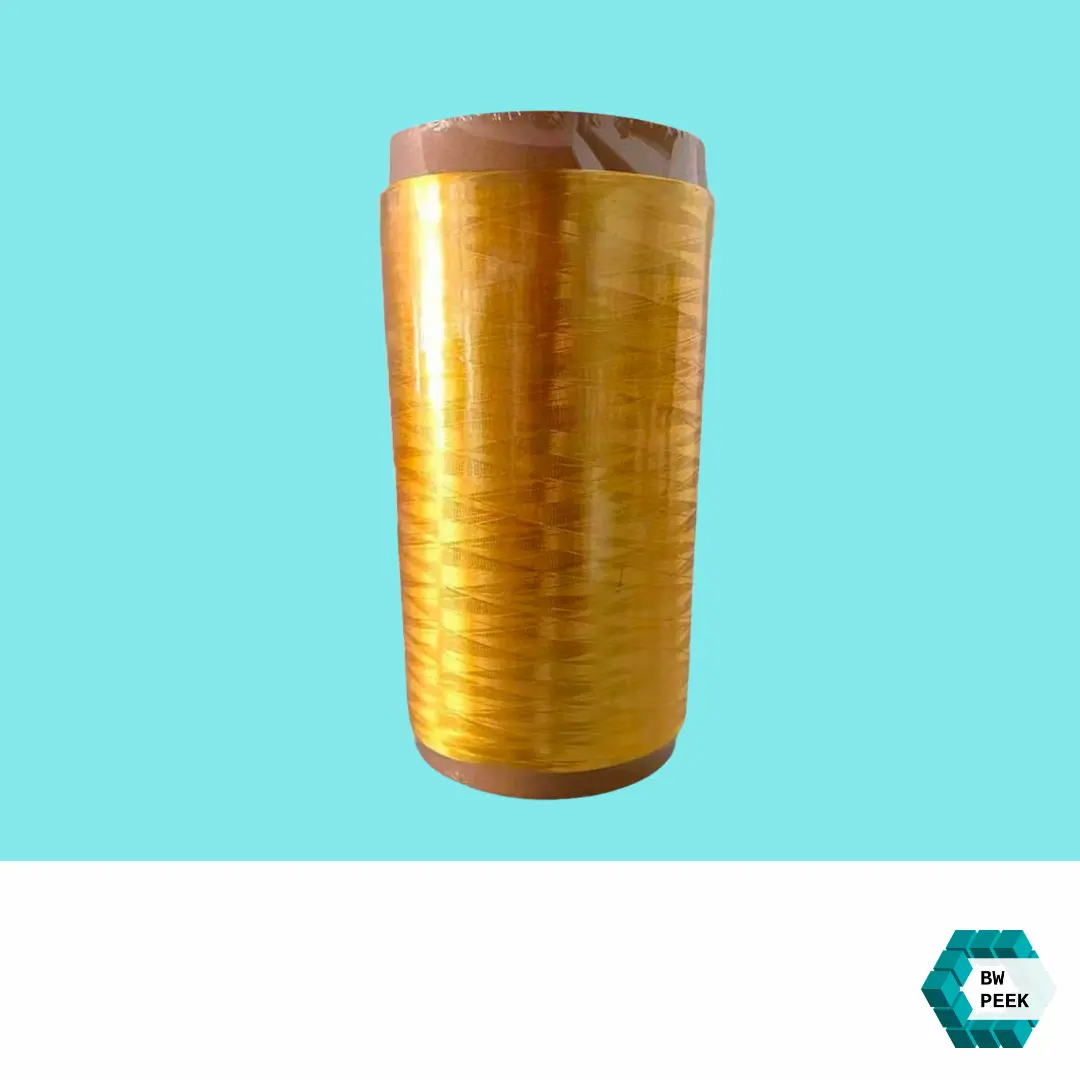
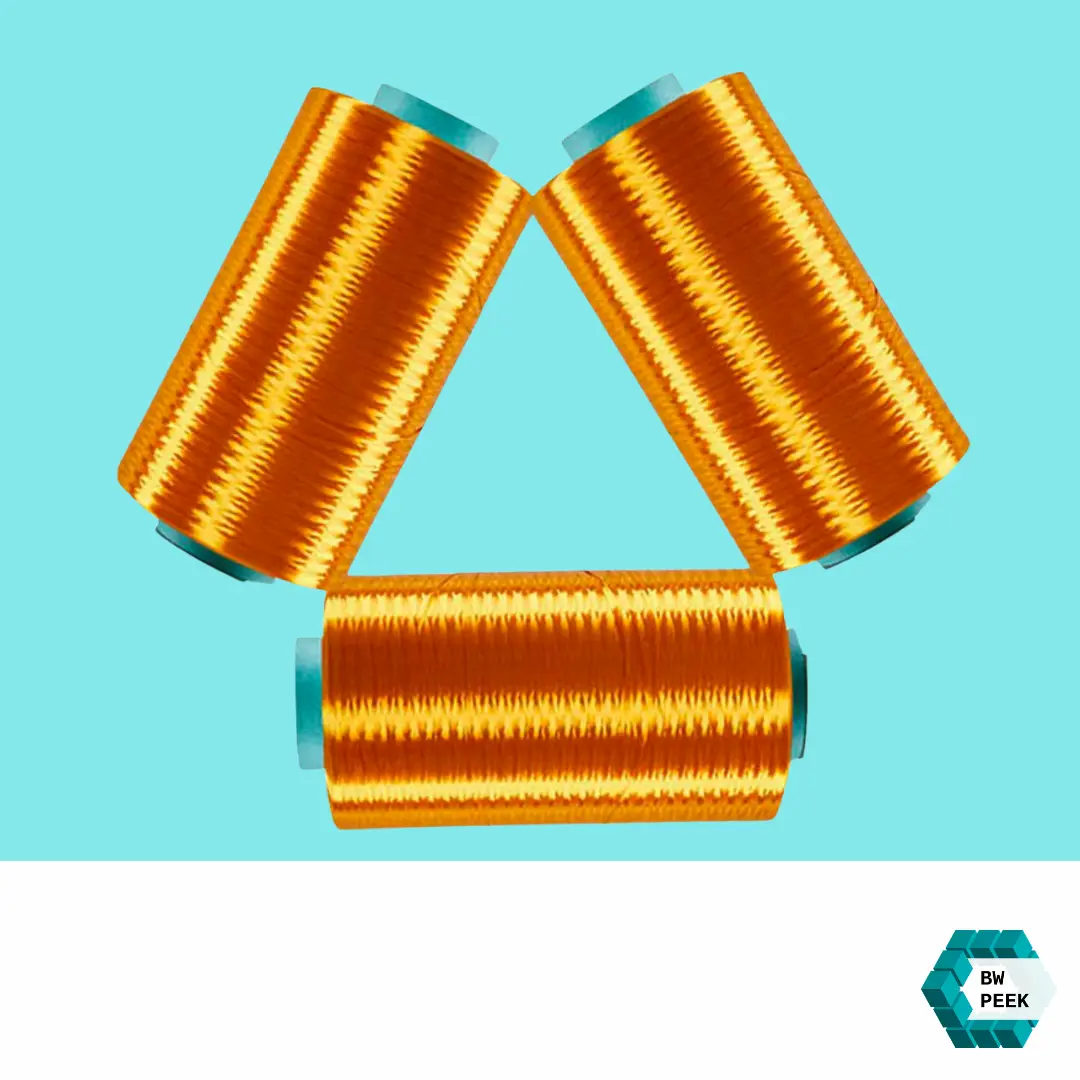
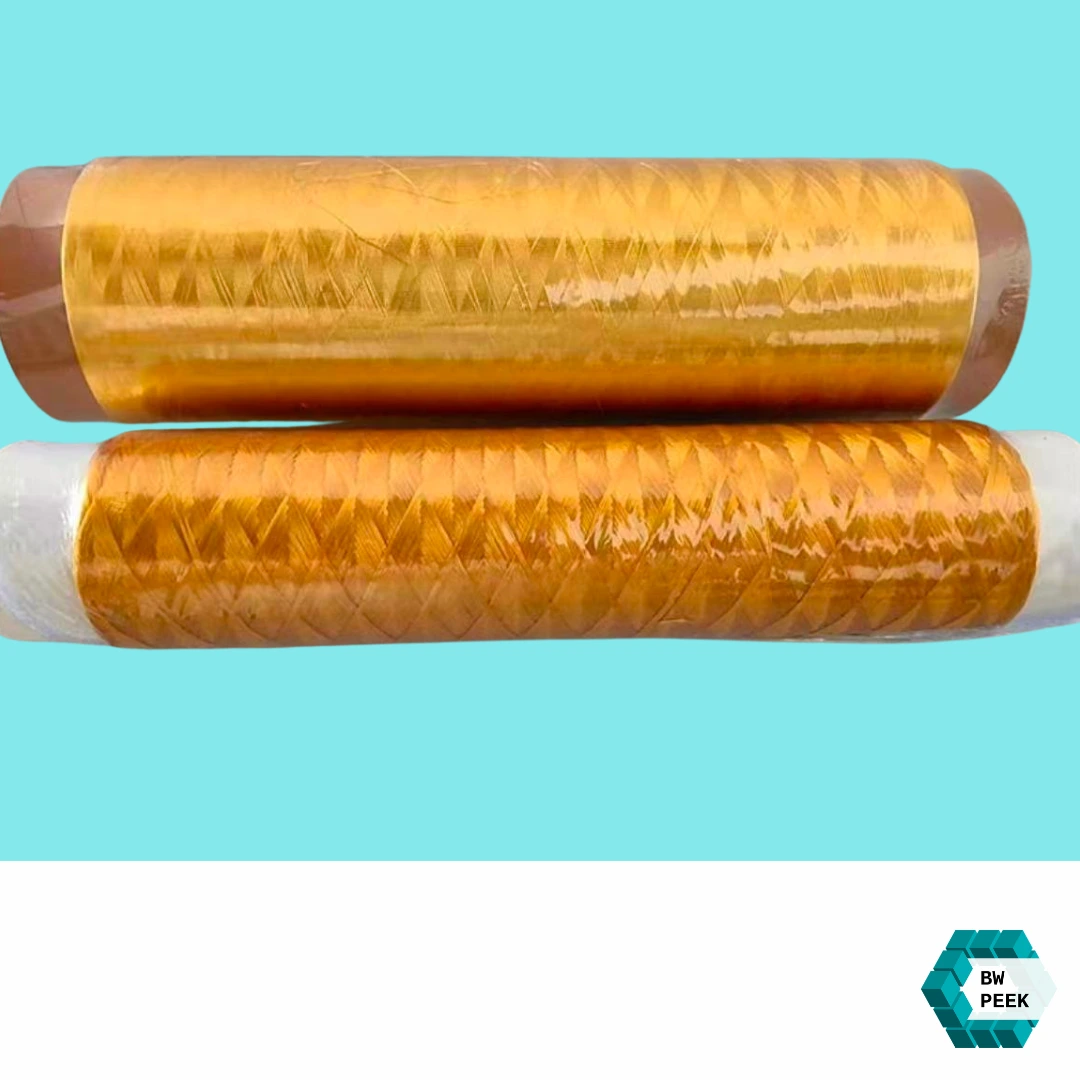
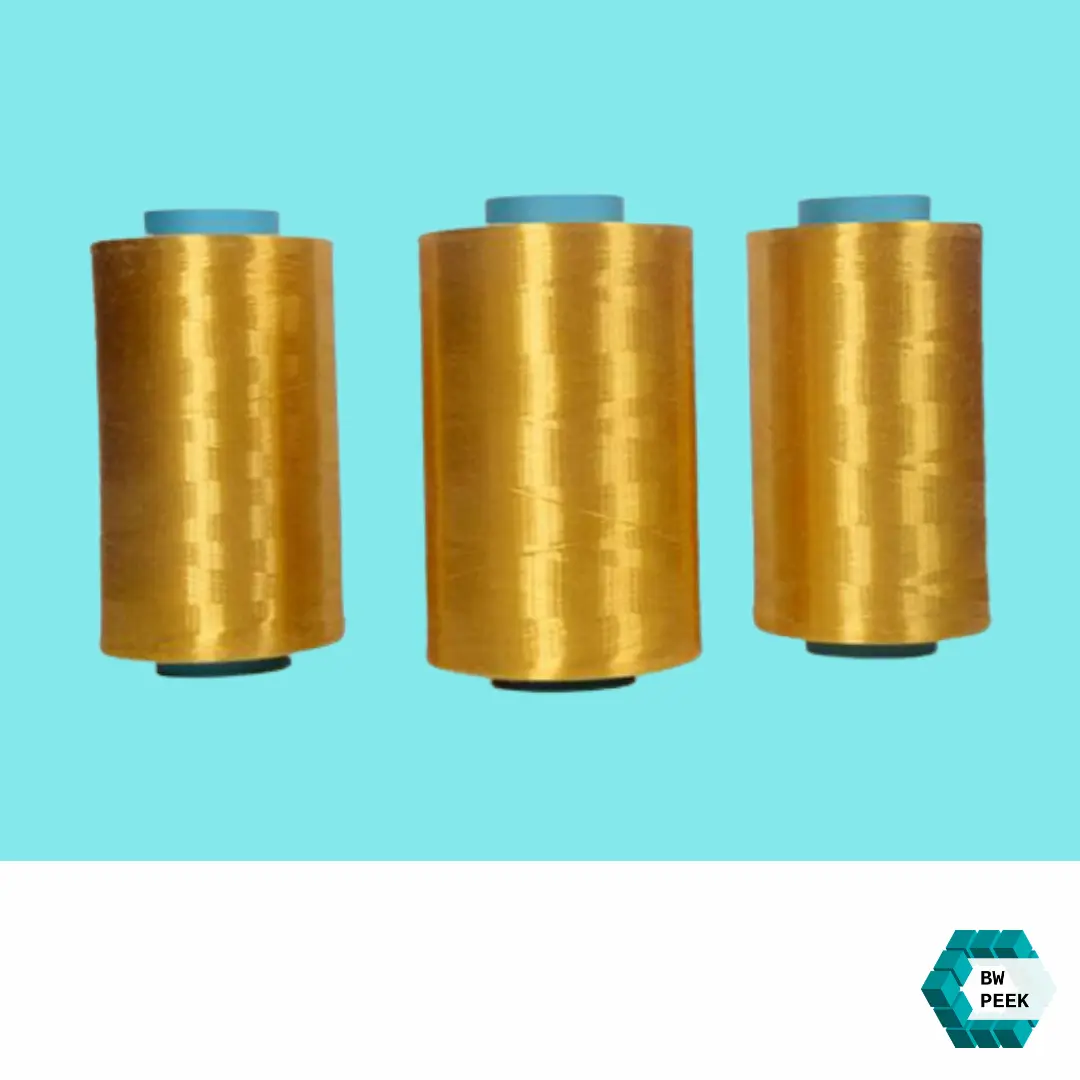
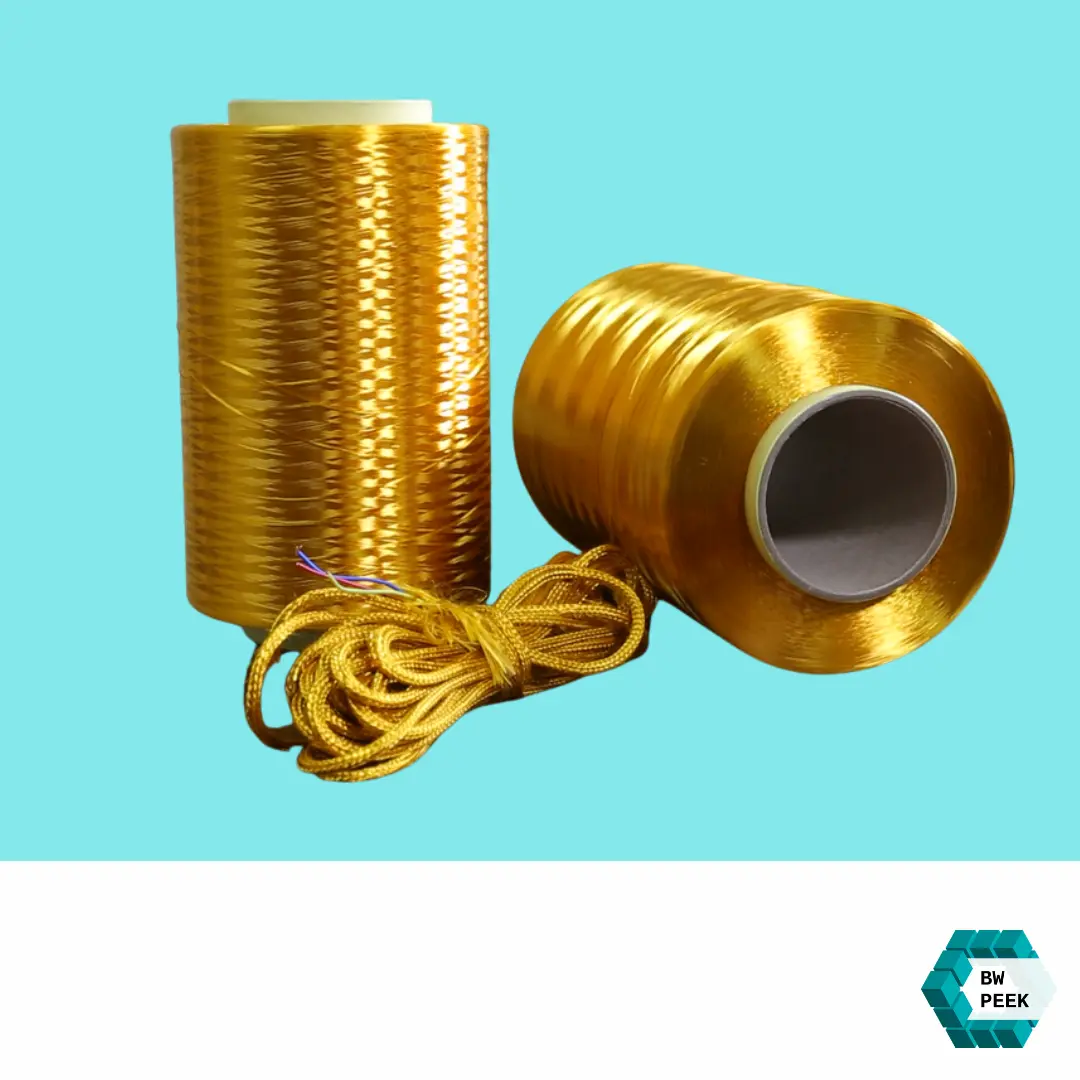
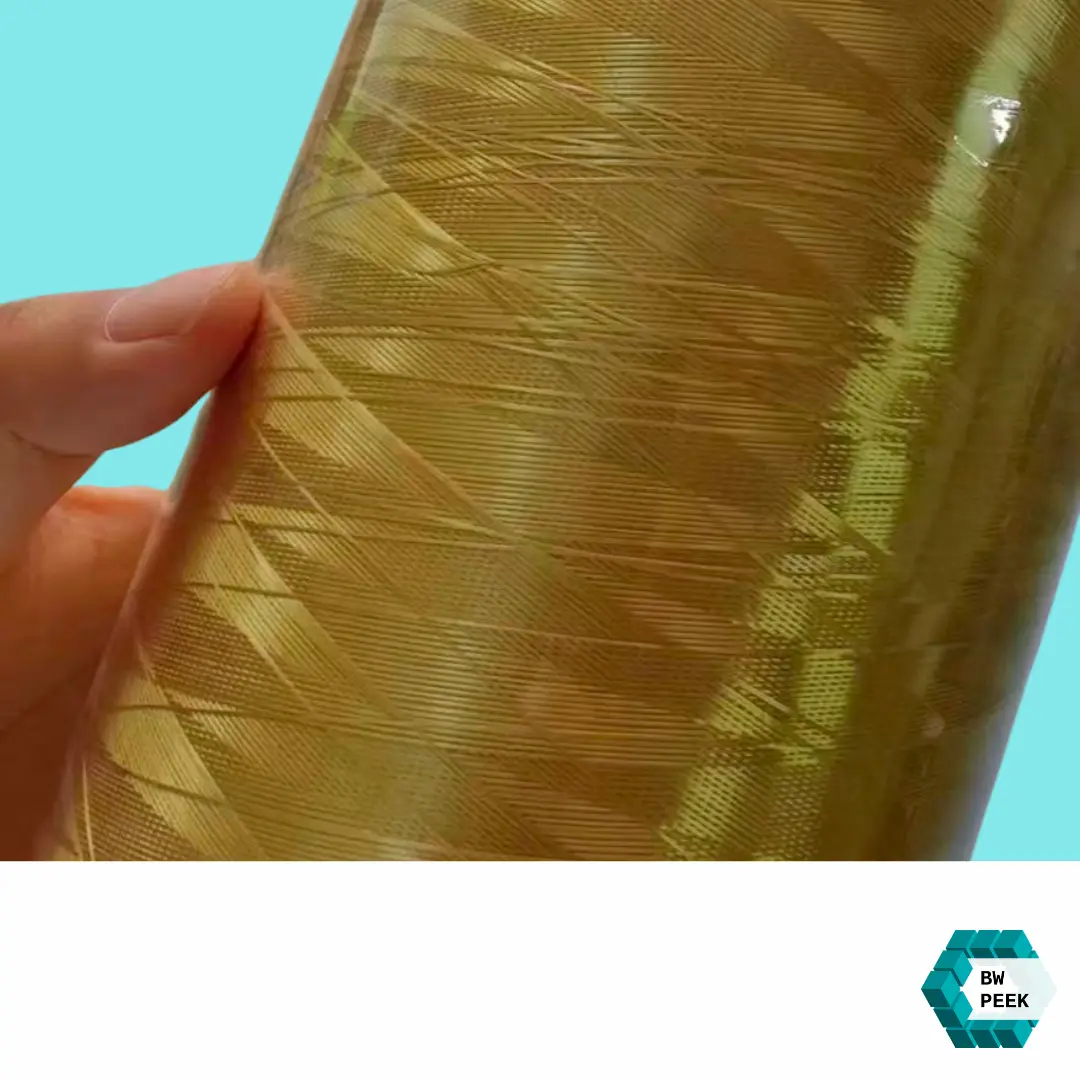
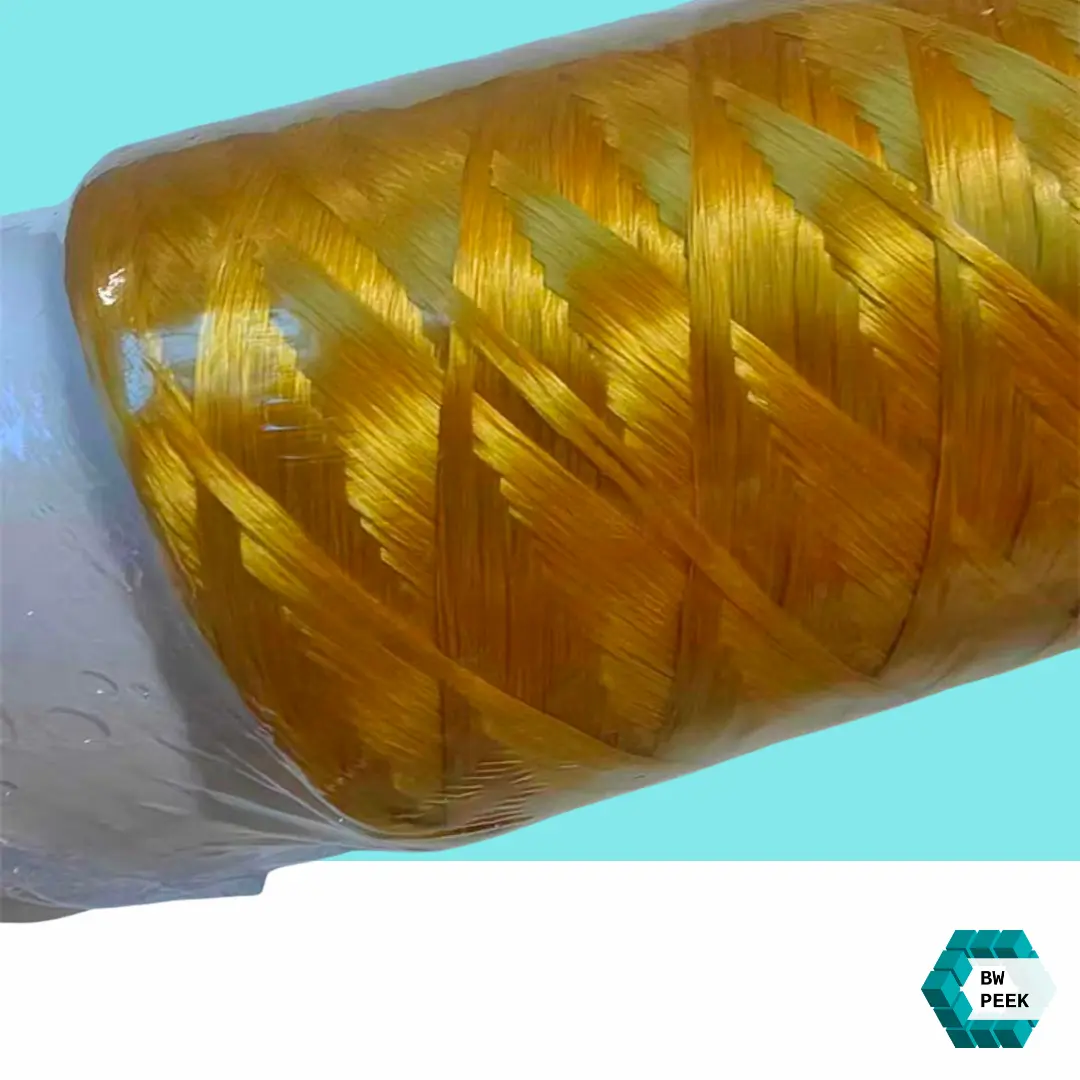
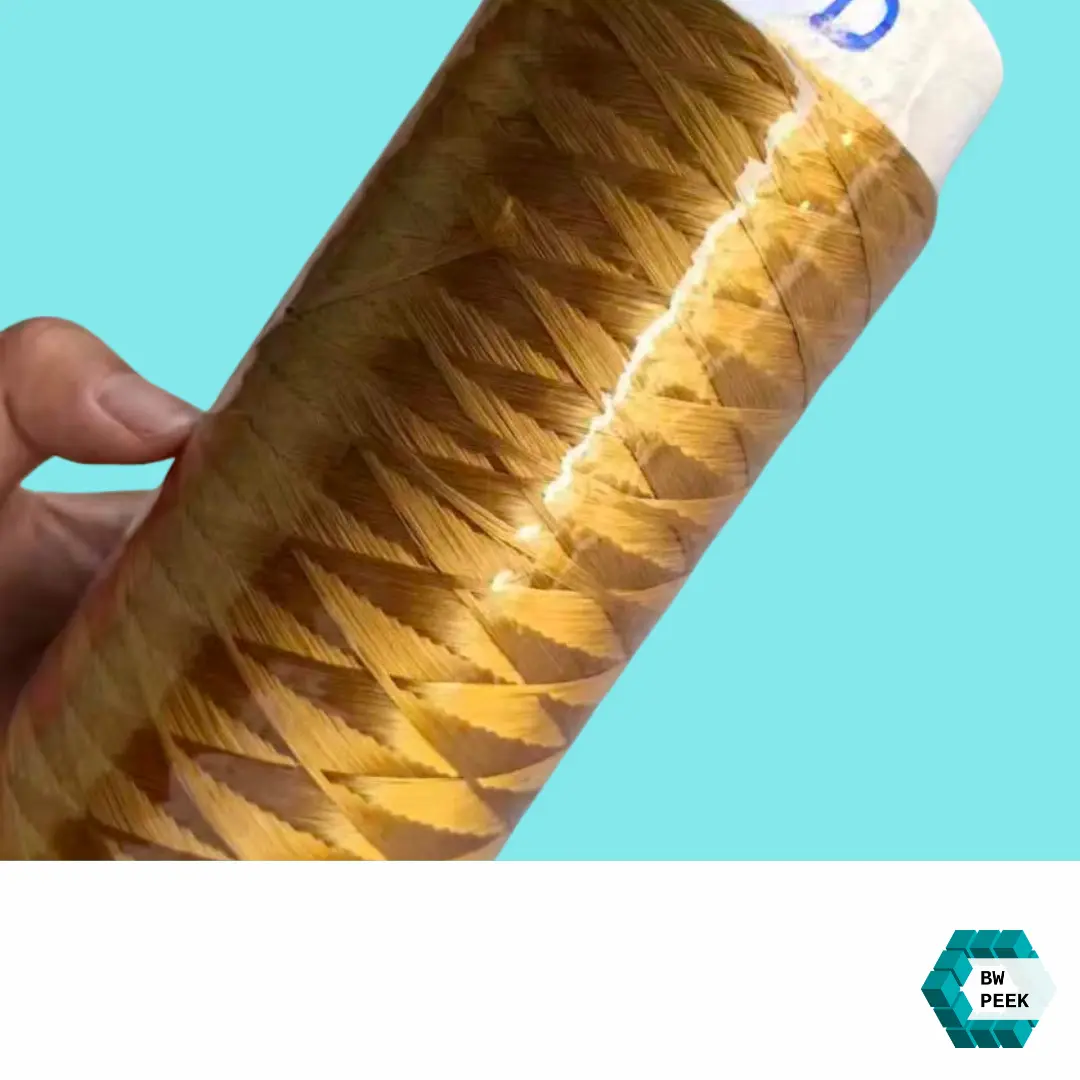
Polyimide monofilament is an uninterrupted single fibre produced out of polyimide resin through a specialised extrusion process.
It is well known that it holds the top position in the pyramid of high-performance polymers.
It is one of the strongest organically synthesised monofilament materials that are available in the industry and has the best combination of thermal stability, mechanical performance, and chemical resistance.
  • Material:100% Polyimide Fiber
  • Weight:2kg/cone
  • Color:Gold
  • Count:100-2000dtex

Chemical filtration and waste incineration

  • Prior to PBO or standard high temperature synthetic fibrest admitted:

  1. In outdoor chemical plants or in complex conditions where exposure to UV exists, the initial form of failure of the sewing thread that subjects the filter bag is material photo-ageing.
  2. With a 100 hour xenon lamp exposure, reference PBO fibres undergo a precipitous loss in strength retention to about 14%. Microscopic analysis shows cracks and flaking of the surface on the deep level making the filter practically brittle to the fingers.
  • After switching to PI monofilament:

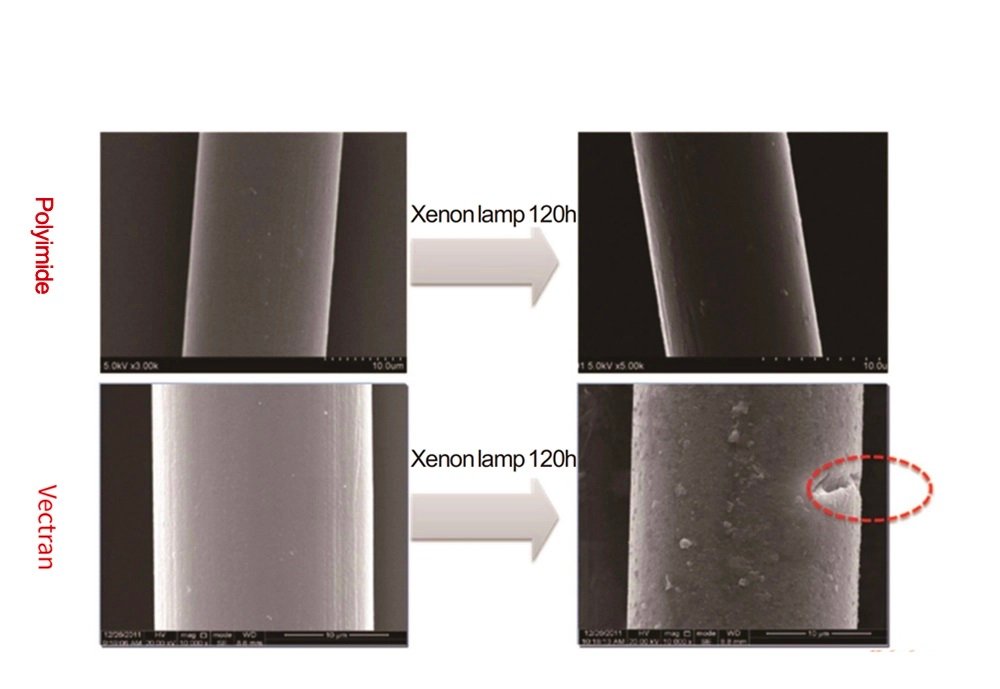
  1. Unparalleled UV resistance: After 120 hours of extreme xenon lamp ageing, the PI monofilament's microstructure remains smooth and intact with no visible cracks.
  2. Core data comparison: At the 100-hour mark, PI monofilament's strength retention rate remains robust at 52%.
  3. This would translate to: Outdoor equipment manufactured by you has three and a half times the safety margin of the competitors, despite being severely exposed to UV radiation.

Aerospace and High-Temperature Harness Protection:

  • Application of Para-Aramid PPTA or Vectran:

Traditional high temperatures fibres are highly fragile in the face of thermal impacts around engine peripheries.

The tensile strength activities of PPTA at 300 °C depth to less than 7 cN/ dtex in a short duration of 50 hours.

This implies that your harness protective sleeves will soon become brittle, become inelastic, and even break when shaken, putting millions-pound worth of equipment in danger of downtimes.
  • Switching to PI Monofilament:

  1. The Miracle of Strength Gain: Under identical 300°C conditions, our PI monofilament exhibits remarkable ‘reverse ageing’. Instead of falling, it becomes more and more powerful with a starting 11.5 cN/dtex value and a maximum of 15.1 cN/dtex between 60-80 hours.
  2. 100-hour durability advantage: After continuous exposure for 100 hours, conventional fibres had already failed, yet the PI monofilament maintained a strength of 14.0 cN/dtex – exceeding its initial value.
  3. Long life operation: Supports a long operation at temperatures of 260°C , which increases the replacement cycle of wire harness by an outstanding three times.

High-Precision Industrial Conveyor Belts

  • Fibres with High Shrinkage:

  1. Ances of Fibres after few cycles in a 25°C.
  2. Belts can break inexpensively and result in misalignment even when the dimensions are changed slightly.
  • After switching to PI monofilament:

  1. Exceptional dimensional stability: Our PI monofilament boasts a glass transition temperature (Tg) of 376°C. The molecular chains of it are highly stable before reaching this temperature.
  2. Very large safety margin: It has a primary decomposition temperature of 569 °C. As compared to the other products, our TGA thermogravimetric analysis curve proves that it maintains 94% strength at 500 °C.
  3. Interpretation: (Competitors) On the side of competitors, their material become half the strength at 500 °C, on our side, there is almost no degradation of the material.

Why Choose Polyimide Monofilament?

good interface bonding

Original flame retardan

High temperature carbonization

Extremely low combustion flue gas volume

High and low temperature resistance

-269-260℃

Radiation resistance & chemical resistance

Aging resistance

Good dimensional stability,

120 Hours of Intensive Exposure to Outdoor UV Light

Numerous clients mentioned the brittleness of material after extended periods of outdoor use. We subjected PI monofilament with industry renowned Vectran to a 120-hour xenon lamp ageing test.

  • Microscopic findings:

Under the electron microscope (with a thousand times magnification) Vectran showed noticeable deep cracks and surface delamination. In contrast, our PI monofilament maintained its perfectly smooth surface, its physical structure was totally unaffected by UV penetration.
Tensile strength retention comparison After 100 hours of identical exposure, conventional PBO or Vectran fibres degraded to below 20% strength - practically indistinguishable from waste paper. Our PI monofilament retained more than 55% of its starting tensile capacity.

  • Data interpretation:

Put simply, if your project is exposed to the elements for an extended period of time, conventional materials may fail within a year.

By contrast, our PI monofilament offers more than three times as much safety margin as anything else.

Irradiation Resistance (UV/Xenon Aging)

Based on the strength retention (%) vs. irradiation time (h) graph and microscopic analysis.
Irradiation Time (h) PBO Strength Retention (%) Vectran Strength Retention (%) Polyimide Strength Retention (%)
0 (Initial) 100% 100% 100%
20 ~50% ~60% ~80%
40 ~30% ~40% ~65%
70 ~22% ~30% ~60%
100 ~14% ~20% ~52%
Surface Observation (120h) (Not Shown) Deep surface cracks & peeling Smooth surface & structural integrity

Polyimide Monofilament Laboratory Extreme Testing Report

Temperature
Chemical
Safety

Items Unit Value
Line Density dtex 110-3300
Package kg/cone 2~5
Density g/cm³ 1.41
Breaking strength cN/dtex 20~28
Modulus cN/dtex 700~800
Elongation at break % 2.2~2.3
Long-term use temp °C 260
Short-term use temp °C 380
Glass transition temp °C 376
Initial decomposition temp °C 569
Limiting oxygen index (LOI) % 38
Color - Raw (Golden)
Acid resistance - Good
Radiation resistance - Good

Extracted from the "Strength retention of several high performance fibers" graph.

Heat Treatment Temp (°C) PPTA Retention (%) Vectran Retention (%) Polyimide Retention (%)
100 ~90% ~95% ~99%
200 ~83% ~93% ~98%
300 ~77% ~87% ~96%
400 ~70% ~80% ~95%
500 ~53% ~76% ~94%

Duration (Hours) PPTA Strength (cN/dtex) Vectran Strength (cN/dtex) Polyimide Strength (cN/dtex)
0 13.2 11.8 11.5
20 10.8 8.4 13
40 8.4 5.2 14.4
60 (Failure/Trend Ends) (Failure/Trend Ends) 15.1 (Peak)
80 - - 15.1
100 - - 14

Analytical Test Metric Value
DMA (Tan δ) Peak Temperature (Molecular Mobility) 330°C
TGA (Vectran) Decomposition Onset Temp ~500°C
TGA (PPTA) Decomposition Onset Temp ~540°C
TGA (Polyimide) Decomposition Onset Temp ~570°C

Tab Content

This is a basic text element.

Get In Touch with polyimide Monofilament

ZHEJIANG BW INDUSTRY CO .,LTD
Address:ADD:NO 77,YONGXING WEST ROAD,YOUBUTOWN, LANXI CITY,ZHEJIANG PROVINCE,CHINA
EMAIL: sales@peekmaterials.com
PHONE NO:+86-13868966491
polyimide monofilament

Get Your polyimide Monofilament Now!

Related products

BWPEEK

Zhejiang bw industry

  • NO,77 yongxing road, lanxi city , zhejiang provice, china

contact BWPEEK

Email:sales@peekmaterials.com
Phone:+86-13868966491

subscribe to our newsletter

social connects

© BWPEEK 2024. All rights reserved.
privacy policy | terms and conditions